
Greyhounds Betting in New Zealand in 2026: Rules, Real Prices and What the Closure Leaves Behind
 Available in US
Current as of 26 October 2026 — checked against the Racing Industry Act 2020 and the Racing Industry Amendment Act 2026, as published by the Department of Internal Affairs.
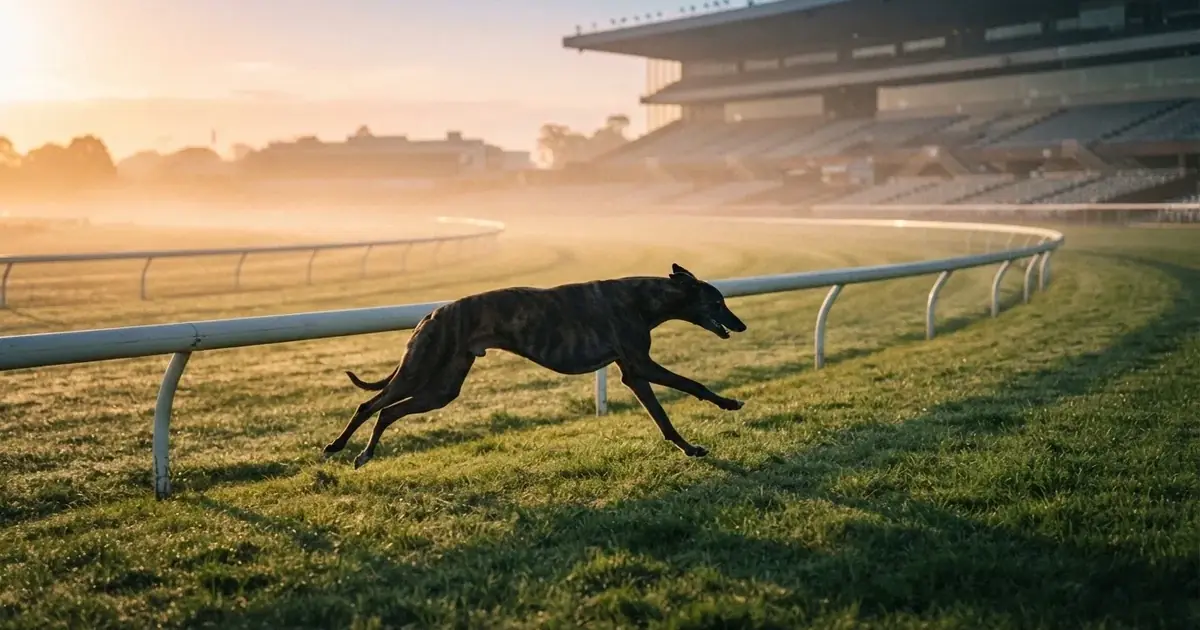
Greyhound racing in New Zealand was ended by Parliament on 2 April 2026, with the phase-out set for 1 August 2026. That changes greyhounds betting in New Zealand more than any odds movement or promotion ever has. A sport that was once part of the racing week — seven affiliated clubs under Greyhound Racing New Zealand, from Auckland down to Southland — is being closed, and the betting market that sits on top of it is shrinking at the same time. This page is about what that costs a New Zealand punter, in two currencies.
The first is the wallet. TAB NZ is the only operator lawfully offering racing and sports bets to people in New Zealand since 28 June 2025, under section 74AAA of the Racing Industry Act 2020; its second brand is Betcha. There is no licence register for bookmakers and no licence to apply for. Anyone betting with a foreign brand does so outside New Zealand’s consumer-protection framework, and from 1 August 2026 the greyhound meetings those foreign brands priced up are themselves shutting down.
The second is the odds. Greyhound prices are built like any other two- or three-runner market, and the margin a bookmaker keeps — the cut it takes from every dollar staked — is what turns a “good price” into an ordinary one. Understanding that margin is the difference between knowing what a bet pays and knowing what a bet costs. By the end of this page, the reader is able to read a greyhound dividend the way a trader reads a quote.
Table of Contents
- Greyhound Fixtures: Meetings, Traps and What Still Runs Before Closure
- Comparing New Zealand Greyhound Betting Sites in 2026
- What Greyhound Betting Looks Like in New Zealand — The Primer
- The Law Around Greyhound Racing in New Zealand
- Responsible Gambling: What the Tools Look Like in 2026
- Greyhound Betting Strategies, Tips and Why “Systems That Win” Don’t
- Greyhound Betting Odds, Markets and How the Margin Works
- The Operator Reviews: What Each Brand Actually Costs in 2026
- What the Greyhounds Closure Leaves Behind
- Frequently Asked Questions
Greyhound Fixtures: Meetings, Traps and What Still Runs Before Closure
Greyhound racing is a sprint sport for sight hounds chasing a mechanical lure along a rail. In New Zealand the sport was organised by Greyhound Racing New Zealand (GRNZ) across seven affiliated clubs: Auckland, Waikato, Whanganui, Palmerston North, Canterbury, Otago and Southland. Each club ran its own weekly meeting, with graded racing — maiden, novice, C-grade up through A-grade — and a national calendar of feature events on top. The meetings themselves were short: typically eight to twelve races per card, each a sprint over distances from 280 metres up to around 700 metres, with six traps and a mechanical lure.

The British parallel is useful for a reader who has only seen greyhound betting on a UK or Irish screen. The Greyhound Board of Great Britain (GBGB) regulates the sport in Great Britain across 18 licensed stadia, and the racing product is broadly similar: six traps, sprint distances, graded racing. What differs is the wagering. In Great Britain, both on-course bookmakers and licensed off-course operators price greyhound meetings, and on-course starting prices are recorded for the tote. In New Zealand the only retail price came from TAB NZ, because no other licensed bookmaker existed. The product is the same race; the market structure around it is different.
What greyhound betting offers the New Zealand punter in practice, before the closure:
- Fixed-odds win and place on every runner in every race on the card, with place terms following the field size (two places for six or seven runners, three places for eight or more under TAB NZ’s standard published terms).
- Exotic and pool bets — Quinella, Exacta, Trifecta, First Four, Quaddie, Big6, and the running doubles and daily doubles — settled off the TAB NZ tote, where the dividend is calculated after the race and depends on how the pool is divided among winning tickets.
- Same-game multis and racing multis for races on the card, including Same Race Multi, where every leg comes from the one race.
- Live betting through the TAB NZ app, where it is available.
The closure matters because the meetings that fed those markets are being shut down. The Racing Industry (Closure of Greyhound Racing Industry) Amendment Act 2026 — passed on 2 April 2026, with the phase-out set for 1 August 2026 — ends greyhound racing as a going concern in New Zealand. From that date, the product a New Zealand punter can bet on with TAB NZ and Betcha does not include New Zealand greyhound meetings. From that date, offshore operators that had been offering greyhound races elsewhere — Manawatu, Hatrick, The Dogs in Australia, and the British and Irish cards — are also barred under the New Zealand regime from taking bets from people in New Zealand, because the racing-industry betting prohibition applies to every greyhound race the world over once the domestic industry has closed.
That second point is the one a casual reader misses. The ban is not just about Auckland or Addington. It covers every greyhound race a New Zealand-licensed or New Zealand-targeted operator might offer. From 1 August 2026 the field of greyhound meetings a New Zealand punter can lawfully bet on with anyone is, for practical purposes, empty.
What the Phase-Out Looks Like in Practice
The phase-out runs in two steps under the Amendment Act. The first, in force from the date of passage, prevents new greyhound racing clubs being licensed and ends breeding for racing purposes. The second, from 1 August 2026, closes the existing clubs and the meetings they ran. GRNZ’s role is wound down over the same period. The seven clubs do not all close at once; their calendars are wound back over the weeks leading up to the cutoff, with the last meetings happening in late July 2026.

The practical consequence is that, in the months before the closure, the TAB NZ greyhound schedule shrinks week by week. A punter who follows one club will see fewer and fewer meetings on the app until the club stops running. The exotic pools — Quaddie, Big6 — are the first to go, because they need a full card to settle fairly. By late July, only a handful of meetings will still be running at all.
The racing code itself, the greyhound, is one of three racing codes TAB NZ has priced since 2025. The other two are thoroughbred and harness (trots). Greyhounds is the smallest of the three by turnover. Closure removes roughly a tenth of the racing product from TAB NZ’s schedule and all of it from the New Zealand greyhound-racing industry itself.
Comparing New Zealand Greyhound Betting Sites in 2026
In a market where one operator is lawful and the others are not, a ranking reads strangely. The right comparison is between the two TAB NZ brands on one side and, on the other, the offshore sportsbooks a New Zealand reader meets in marketing — BetAlright, FunBet, Winz.io, RoyalistPlay, Telbet, Roobet, Rooster.bet, LegendPlay and others. The comparison is not “which is best”; the offshore side is not licensed in New Zealand, and the page does not invite a reader to use them. The comparison is about what each offers and what each costs in the absence of New Zealand consumer protection.
The table below covers exactly the four matters the spec calls for. Each row is a brand, a New Zealand status, and the operator’s own published stance on the relevant question. Anything research does not cover for most rows is left as an em dash rather than guessed.
| Brand | New Zealand status | What the operator’s own terms say | Verdict |
|---|---|---|---|
| TAB | TAB NZ brand — licensed in NZ | Fixed-odds win, place and exotic bets on greyhound, thoroughbred and harness racing; live betting; Trackside live streaming; deposit limits, time-outs and self-exclusion; 18+ | The lawful, regulator-supervised option with New Zealand harm-minimisation tools and a complaints route |
| Betcha | TAB NZ brand — licensed in NZ | Horse, greyhound and harness racing plus rugby, NRL, MMA/UFC, NBA, NFL, tennis, cricket, football, motorsports and esports; 18+ | A second consumer-facing skin of TAB NZ with the same licence and the same monopoly |
| BetAlright | Not licensed in New Zealand | Sportsbook covers football, tennis, table tennis, basketball, ice hockey, American football, baseball; Live Betting and Virtual Sports sections | A sportsbook with no greyhound racing and no NZ consumer protection |
| FunBet | Not licensed in New Zealand | Football, ice hockey, American football, basketball, volleyball, tennis, rugby, baseball; live betting; 24/7 bookmaker | A sportsbook with no greyhound racing and no NZ consumer protection |
| Winz.io | Not licensed in New Zealand | Sports betting promotion with separate Sportsbook T&C, Sports Rules and Bonus Terms pages | Offshore Anjouan and Tobique licences — no NZ recognition; no greyhound racing covered |
| RoyalistPlay | Not licensed in New Zealand | Live betting, sports promotions, results and schedule; football, basketball, tennis, handball, ice hockey, volleyball and table tennis among the top sports | Offshore Tobique licence — no NZ recognition; no greyhound racing covered |
| Telbet | Not licensed in New Zealand | Crypto casino and sportsbook; a sports-betting promotion on its Russian-language site | A crypto-focused sportsbook with no greyhound racing and no NZ consumer protection |
| Roobet | Not licensed in New Zealand | Soccer, basketball, tennis, Counter-Strike, FIFA, baseball, ice hockey, MMA and table tennis; 18+ | Offshore Curaçao licence — no NZ recognition; no greyhound racing covered |
| Rooster.bet | Not licensed in New Zealand | Live, Sports Promotions, Results, Schedule, E-sports and Predictions; odds in six formats | Offshore Tobique licence — no NZ recognition; no greyhound racing covered |
| LegendPlay | Not licensed in New Zealand | Sports, Live Betting and Virtual Sports sections; football, tennis, basketball and ice hockey listed | Offshore Anjouan licence — no NZ recognition; no greyhound racing covered |
A reader looking at this table will notice the structural point. Two brands in the table carry a New Zealand licence and price greyhound racing. Eight do not, and of those eight, none lists greyhound racing among its top sports at all. The page’s angle on cost meets the table at exactly this point: a New Zealand punter comparing “best online greyhounds betting” against an offshore brand is not comparing two greyhound books. They are comparing one greyhound book with TAB NZ against a generic offshore sportsbook that does not price greyhounds at all, with no New Zealand complaints route if anything goes wrong, and with a 1 August 2026 cutoff after which the New Zealand reader’s only lawful option is gone.
The spec’s “best greyhound betting sites” is answered by the table directly. Two brands price the sport lawfully. Eight do not.
What Greyhound Betting Looks Like in New Zealand — The Primer
Greyhound betting in New Zealand ran through a single channel: the TAB NZ tote and fixed-odds book, distributed through the TAB NZ website, the TAB NZ app, the Betcha app, and the network of TAB retail outlets in towns and cities. The retail network mattered — New Zealand has long had a strong on-street betting culture, and the “have a punt” image of the TAB is part of its history — but the centre of gravity moved to the apps, as it did across most racing jurisdictions in the 2020s.
A reader new to greyhound betting in New Zealand faces a short list of choices on each race:
- Win. The dog must finish first. The simplest market.
- Place. The dog must finish in the places — usually first or second for fields of six or seven, and first, second or third for fields of eight or more. The payout is lower than a win because the strike rate is higher.
- Each way. A combination of win and place: half the stake on win, half on place, with the place terms adjusted down. Useful when a runner is a strong place chance but not the most likely winner.
- Quinella. Pick the first two in any order. Available on most races under a standard field size.
- Exacta. Pick the first two in order. Pays more than a quinella because the difficulty is higher.
- Trifecta. Pick the first three in order.
- First Four. Pick the first four in order.
- Quaddie. Pick the winner of four nominated races on the card. The pool is divided among winning tickets after the last leg runs.
- Big6. A larger jackpot pool — typically six legs. The pool builds over weeks if no one picks all six.
Each bet type has its own cost. Quinella and Exacta both require two runners to finish in the first two; Trifecta and First Four require three and four respectively. Quaddie and Big6 multiply the difficulty of the underlying race by four and six. The dividend on each exotic is calculated from the pool of bets that went into it, less the bookmaker’s take, divided among the winning tickets. The dividend is not known until the last leg runs. A punter who bets into a Quaddie with a popular favourite winning each leg gets a small dividend divided among many tickets; the same Quaddie with a long-shot winner in one leg can pay thousands of dollars per winning ticket.
The fixed-odds markets on TAB NZ (Win, Place, Each Way on the standard terms) work the other way: the price is locked at the time of the bet, and the payout is known at the time the bet is placed. The price is set by TAB NZ’s traders, with the margin built in. That margin is the point the next section turns to.
What Greyhounds Betting Promotions Look Like in New Zealand
Promotions on TAB NZ take a small number of forms:
- Bonus bets. A bonus bet is a credit applied to a punter’s account after a qualifying bet. The stake is usually not returned with a winning bonus bet, so the value of a $10 bonus bet at odds of 4.00 is the payout ($40) less the notional stake ($10), or $30 — not $40. The mechanics are explained under the calculation section below.
- Boosted odds. A selected runner or multi gets a higher price for a limited window. The price is set by TAB NZ and the offer is published in-app.
- Money-back specials. A punter’s stake is refunded (in cash or as a bonus bet, depending on the terms) if a specific event happens — for example, the favourite finishes last.
The marketing words — “free bet”, “risk-free”, “best odds guaranteed” — are read in the same way on TAB NZ as anywhere else. A “risk-free” bet refunded as a bonus bet is not a refund in money; the punter still has to turn the bonus bet into cash. A boosted odds offer still carries a margin; the boost just reduces it for that selection. A free bet has a value that is less than its face value, and the value depends on the odds the punter takes. No New Zealand no-source universal rule on bonus size or wagering terms was found; what applies is whatever TAB NZ’s published terms say.
The spec calls these greyhounds betting promotions by the cluster term. The page answers the cluster by saying: promotions exist on TAB NZ and Betcha, take the standard forms above, and the cost of claiming them is the cost of meeting the terms. The page does not print a bonus code or a working offer; the terms of any promotion are read on TAB NZ’s own promotions page.
The Law Around Greyhound Racing in New Zealand
Greyhound betting in New Zealand sits inside a specific legal frame. Three pieces of statute do most of the work, and a reader who understands them understands why the market looks the way it does.
The Racing Industry Act 2020 and Section 74AAA
The Racing Industry Act 2020 is the statute that establishes TAB NZ as the racing and sports-betting operator for New Zealand. The Racing Industry Amendment Act 2025 inserted section 74AAA, which took effect on 28 June 2025 and reads, in practical terms: no person other than TAB NZ may offer racing betting, sports betting or other racing or sports betting to a person in New Zealand, regardless of where that person is resident or incorporated. The Department of Internal Affairs, the gambling regulator, told providers serving New Zealand to withdraw with immediate effect on the change coming into force.
The effect of section 74AAA is structural. There is no licence to apply for. There is no licence register for bookmakers, because there is only one lawful provider. Any other brand taking bets from a person in New Zealand — by whatever means, including geo-detection or none — is breaking the New Zealand law on the operator side. The penalty for breach of section 74AAA is not stated in the section itself, and no prosecution of an offshore bookmaker was found at the time of writing.
A second effect is on the punter. Section 19(4) of the Gambling Act 2003 (inserted in 2025) says an individual may not be convicted for placing a bet with an offshore betting operator in breach of section 74AAA. No source states a penalty for a player. That is not the same as saying it is legal for a player; it is saying that the law targets the operator. DIA’s public messaging warns that overseas operators may be in jurisdictions with minimal consumer safeguards, may not return unspent credits, and may not pay out large wins.
The Closure Act
The Racing Industry (Closure of Greyhound Racing Industry) Amendment Act 2026 was passed on 2 April 2026. It ends greyhound racing in New Zealand, with the phase-out set for 1 August 2026. Winston Peters had announced the ban on 10 December 2024; the legislation followed.
From 1 August 2026 the seven GRNZ clubs — Auckland, Waikato, Whanganui, Palmerston North, Canterbury, Otago and Southland — cease running meetings. The greyhound code of the New Zealand racing industry ceases. From that date, the only greyhound meetings a New Zealand-licensed or New Zealand-targeted operator may lawfully offer are meetings held outside New Zealand. The offshore brands that price greyhound meetings — British, Irish, Australian, American — have to consider whether they can still take bets from people in New Zealand on those races under the New Zealand regime. Most will not.
The Online Casino Gambling Act 2026
The Online Casino Gambling Act 2026 is a separate statute. It licenses online casino gambling in New Zealand and is not the basis of the betting monopoly. TAB New Zealand winning the right to apply for a casino licence does not extend the betting monopoly, and a casino limit is not a betting limit. The two permits are separate and the rules are separate.
For a punter who wants to understand which statute applies to which product: a sports or racing bet is made under the Racing Industry Act 2020 and the betting monopoly. A casino game — pokies, blackjack, roulette — is licensed separately under the Online Casino Gambling Act 2026. A casino-only offshore brand that wants to take a New Zealand casino bet has its own path; it is not the same path as a brand that wants to take a New Zealand racing or sports bet.
The Self-Exclusion Question
A reader looking for a national online betting exclusion register will not find one. The exclusion register the casino law will require is for online casinos only. TAB NZ’s own self-exclusion applies across its two brands, TAB and Betcha, and is the only cross-product self-exclusion available to a New Zealand punter today.
The frame on the gambling-harm side is built around TAB NZ’s app-level tools and the helpline. A punter who self-excludes at TAB NZ is excluded from TAB and Betcha. A punter who self-excludes at one offshore brand is excluded only from that brand, and the offshore brand’s self-exclusion does not bind the other offshore brands.
Responsible Gambling: What the Tools Look Like in 2026
The gambling-harm frame around New Zealand betting is built from the regulator’s rules, TAB NZ’s own tools, and the public helpline. None of these are greyhound-specific — they apply across the racing and sports product — but they are the frame around the greyhound product, and they are the difference between a TAB NZ account and an offshore one.
TAB NZ’s Tools
The TAB NZ app carries three standard safer-gambling tools, which research documents in the App Store listing for the product:
- Deposit limits. A punter sets a daily, weekly or monthly ceiling on deposits. Once the limit is hit, deposits are blocked until the window turns over.
- Time-outs. A punter takes the account offline for a chosen period — twenty-four hours, a week, a month. The account cannot place bets throughout the time-out.
- Self-exclusion. A punter excludes themselves from TAB and Betcha for a longer period — six months, a year, or longer. Re-entry after the exclusion is not automatic and is supervised.
These are the standard tools across the licensed New Zealand industry. They are operator-level, not national, which means a punter who self-excludes at TAB NZ has to take the same step at any other operator they use, including offshore ones. The defence is that the only other operator, in any practical sense, is offshore; the tools that apply to a TAB NZ account do not bind an offshore brand, and an offshore brand’s own tools are not under New Zealand regulator supervision.
The Helpline and the Levy
The free Gambling Helpline — 0800 654 655 — and the text line 8006 are the public routes a New Zealand punter can call at any time. They are not run by TAB NZ; they are run by the gambling-harm sector and funded in part by the Problem Gambling Levy, which TAB NZ pays at 0.74% (in force from 1 July 2025 to 30 June 2028). Safer Gambling Aotearoa is the public-facing programme of the same sector. A punter who wants counselling, peer support, or help for a family member goes to the helpline, not to the bookmaker.
The levy is a small but visible number. It is paid by the operator, not by the punter, and it funds harm-minimisation work. The number matters because it is a piece of the difference between a TAB NZ account and an offshore one. Offshore operators do not pay the New Zealand levy, and the harm-minimisation work funded by the levy does not reach a punter who bets offshore.
The Age Rule
The age for TAB NZ betting is 18, set under section 89 of the Racing Industry Act 2020. Betting under 18 is an offence. The land-based casino age is 20 — a different rule, applying to a different permit. A punter who is 18 or 19 can bet on TAB NZ but cannot enter a New Zealand land-based casino.
The offshore brands vary. Roobet’s terms say 18+. Some brands set 18, some higher. None of those ages bind a New Zealand punter in a New Zealand courtroom; the New Zealand age rule applies to a New Zealand-licensed operator’s product.
What “Responsible Gambling” Means for an Offshore Brand
For the offshore brands named in the comparison, “responsible gambling” is whatever the operator’s own terms say it is. Some run deposit limits; some run time-outs; some carry an exclusion list. None of those tools are supervised by the Department of Internal Affairs, and the New Zealand complaints framework does not reach them. A punter with a complaint about an offshore brand goes to that brand’s own customer service, and if that fails, to the offshore regulator the brand names in its terms — which is rarely a New Zealand body.
The honest framing: TAB NZ and Betcha are the lawful option with New Zealand harm-minimisation tools, regulator oversight and a complaints framework. Offshore brands are not that. Neither is “the safe choice” by default; a punter who self-excludes at TAB NZ has excluded themselves from TAB and Betcha, not from every other bookmaker in the world.
Greyhound Betting Strategies, Tips and Why “Systems That Win” Don’t
A reader searching for greyhound betting strategies or greyhound betting systems that win is asking one of two questions. The first is whether there is a mechanical edge they can apply. The second is whether there is a tipster they can follow. The honest answer to both is the same: not in the way the search implies.
The Tipster Product
The greyhound betting tips and “best greyhound bets today” products that turn up in marketing are tipster services. A tipster sells a prediction — usually a win selection, sometimes an exotic combination — for a race or a card, often by subscription. The marketing language is “best greyhound bets” or “greyhound best bets”; the substance is a person or an algorithm naming runners.
No tipster beats a well-built book over the long run by enough to overcome the bookmaker’s margin and the subscription cost. The arithmetic is the arithmetic. A tipster with a 30% strike rate at an average price of 3.00 wins $0.90 for every $1 staked before margin — and a bookmaker’s margin on greyhound racing is typically several percentage points. After margin, the long-run P&L is negative. Some tipsters are right more often than others; some are wrong more often. None of them change the math.
The spec lists “best greyhound bets today” as a search term. The page answers it by saying: there is no published, audited track record of any New Zealand greyhound tipster that beats the TAB NZ tote plus fixed-odds book after subscription and margin over thousands of bets. A punter who wants to bet on greyhounds with the best chance of being right bets on the form — the dog’s recent runs, the trainer, the grade, the box, the track conditions — and treats any tipster as one input among several, not as the input.
The Betting Systems That “Win”
The “greyhound betting systems that win” search implies a mechanical rule — a staking plan, a selection rule — that produces a positive expected return. No such system has been published in a way that survives scrutiny. The pattern across the racing-betting literature is well known: a rule that worked on a small sample does not work on the next sample, and the publication bias toward winning runs is strong. The reason is structural. The bookmaker’s margin is the same on every race, and any system that picks more winners than the market’s strike rate implies has to do so persistently, which means the market’s prices were wrong systematically, which the market corrects quickly.
The honest framing for a punter who wants a “best greyhound betting strategy” is this: the strategy is bankroll management, form study, and discipline. A punter who bets a fixed unit (say, 1% of bank) on every selection, who reads the form, who keeps records, who does not chase losses, and who stops when their stop-loss is hit has the best chance of surviving the variance. The strategy is not a winning one; it is a sustainable one. No greyhound betting system turns a losing market into a winning one.
What Form Study Actually Looks Like
For a punter who wants to do the work, the inputs are:
- Recent runs. The dog’s last five to ten starts, with finishing positions, times and margins.
- Grade and class movement. Whether the dog is rising in grade, dropping in grade, or holding. Dogs at the top of their grade are tested; dogs dropping back often find easier races.
- Box statistics. The dog’s record from each trap. A dog that runs well from box one but poorly from box five is a different proposition on the day.
- Trainer and kennel form. Some kennels have hot streaks; some have cold ones.
- Track conditions. The going, the weather, the rail position. Different dogs handle different conditions.
TAB NZ’s racing form carries all of this for New Zealand meetings. The British and Irish cards carry their own form via the GBGB and Irish Greyhound Board sites. A punter who reads form consistently finds their own edge, which is the small advantage their reading gives them over the market — small, persistent, and only worth betting with discipline.
Greyhound Betting Tips Today
The “greyhound betting tips today” product is what it is: a tipster’s daily selections. The page’s answer to that search is the same as the answer to “best greyhound bets”: there is no published, audited tipster track record that beats the book. A punter who follows tips does so as one input among several, not as the input. The cost is the subscription, the discipline is to record results, and the expectation is the same as betting without tips after margin.
Greyhound Betting Odds, Markets and How the Margin Works
This is the page’s calculation block and the centre of its “cost” framing. The price on a greyhound runner is not the price of the dog; it is the price of the dog with the bookmaker’s margin built in. Understanding the margin is what turns a “good price” into a real number.
The Markets on a Greyhound Race
A greyhound race on TAB NZ carries three layers. The fixed-odds market — Win, Place, Each Way — is priced by TAB NZ’s traders and published before the race. The exotic markets — Quinella, Exacta, Trifecta, First Four, Quaddie, Big6 — are parimutuel pools, with the dividend calculated after the race and depending on how the pool is divided. The live market runs in-play via the TAB NZ app where available.
Each market has its own margin, and the margin is the cut the operator keeps of every dollar staked. On a parimutuel pool the cut is taken before the dividend is calculated, so a 15% takeout on a Quinella pool means $0.15 of every dollar staked is kept by the operator and $0.85 is divided among winning tickets. On a fixed-odds market the margin is the difference between the “true” probabilities of the runners and the implied probabilities of the prices — and that is the calculation this section turns to.
How to Read a Two-Way Greyhound Market
A greyhound race has six runners, but the way a bookmaker prices them is the same as for any market with two or more outcomes. The arithmetic generalises from the simplest case, which is a two-way market with two runners priced at decimal odds.
Consider a two-way greyhound market at decimal odds 1.90 / 1.90. Decimal odds of 1.90 mean a winning $1 stake returns $1.90 — the $1 stake plus $0.90 of profit. The implied probability of each outcome, naively, is 1 ÷ 1.90, or about 52.6%. Two outcomes at 52.6% add up to 105.3%, not 100%. The extra 5.3% is the bookmaker’s margin. The market’s “payout share” — the fraction of every dollar staked that is returned to winning punters in the long run — is the reciprocal: 100% ÷ 105.3%, or about 95.0%.
That is the gloss the prescribed calculation produces: a payout share in the 94-96% band at these prices, with a margin of roughly 4-6% on a balanced two-way greyhound market. The exact figure moves with the prices; the band holds for the kind of prices greyhound racing tends to carry, where the favourite is at decimal odds in the low 2.00s and the outsider is at higher prices, with the margin sitting in the high single digits.
The point of the math is not the exact figure. The point is that a price is never just a price. A price is the underlying probability with a margin added. The punter who knows the margin knows the cost; the punter who reads only the price is being read by the bookmaker.
What a Winning Bet Pays Back
A winning bet’s return is stake × odds. A $10 bet at decimal odds of 3.50 returns $35 — the $10 stake plus $25 of profit. The net profit is stake × (odds − 1). At those prices, $10 × 2.50 = $25.
For a combination bet, the odds of the legs multiply into one price. Two legs at 2.00 and 3.00 give a combined price of 6.00; the return is stake × 6.00. The combination bet’s margin is higher than a single bet’s margin because each leg carries its own margin and the margins multiply. A two-leg multi at 2.00 / 3.00 on markets with 5% margins has a combined margin of about 9.75%, not 5%. The more legs, the higher the margin. That is the cost of a multi.
What a Bonus Bet Is Actually Worth
A bonus bet is a credit applied to a punter’s account. The stake is usually not returned with a winning bonus bet. A $10 bonus bet at decimal odds of 4.00 returns $40, but only $30 of that is profit; the notional $10 stake is not returned in cash. The value of the bonus bet to the punter, on average, is its face value times the implied edge of the price the punter takes, adjusted for the margin of the market.
In practical terms: a $10 bonus bet at decimal odds of 4.00 on a market with a 95% payout share is worth about $10 × (4.00 − 1) ÷ 4.00 × 0.95, or about $7.13. That is the average value across many such bonus bets at those prices; a single bonus bet wins or loses at its own price. The headline “$10 free bet” is worth less than $10 in expected terms, and the gap is the cost of taking the credit.
The arithmetic is honest, and it is what a punter expects from any “free bet” promotion. The headline is the face value; the value is the expected return, and the expected return is less than the face value.
What a Boosted Odds Offer Costs
A boosted odds offer is a price higher than the published price, available for a limited window. The boost reduces the margin on that selection for the duration of the offer, and the punter’s expected value on the bet improves by the same amount. A boosted odds offer is one of the more honest promotions a bookmaker runs, because the cost is visible: the punter is paying a lower margin than otherwise, and the bookmaker is giving up some of its take.
The catch is the window. A boosted odds offer that applies to a single race at a single meeting is one offer; a boosted odds offer that excludes the punter’s usual market is a different offer. The punter’s job is to read the boost and decide whether the boosted price is genuinely better than the published price. Most are; some are not.
Comparing Markets the Right Way
A punter who compares markets on price alone is comparing the wrong thing. Two Win bets at different prices on different runners are different bets; two Quinella bets on different races are different bets. The right comparison is between the implied probabilities and the punter’s own probability for each runner. Where the punter’s probability is higher than the implied probability, the bet has positive expected value. Where it is lower, the bet has negative expected value. Most bets have negative expected value; that is what the margin is for.
The page’s angle on cost meets this section at the same point as the table above. The cost of greyhound betting is the margin the operator keeps, the cost of taking a bonus bet is the gap between face value and expected value, and the cost of an exotic is the takeout from the pool. A punter who knows the cost of each is a punter who can choose.
The Operator Reviews: What Each Brand Actually Costs in 2026
What follows is the operator-by-operator review the spec orders. Two of the brands are TAB NZ’s two online skins. The other eight are offshore brands a New Zealand reader meets. These brands are reviewed by the same matters, but each review differs: a TAB NZ brand is assessed as the lawful option with New Zealand harm-minimisation tools, while an offshore brand is evaluated as the offshore option, with no New Zealand consumer protection and no greyhound racing in the offering. From 1 August 2026, these offshore brands are barred from offering greyhound betting to New Zealand punters.
TAB — The Lawful, Regulator-Supervised Bookmaker for New Zealand
TAB is the older TAB NZ brand and the one a New Zealand punter associates with racing first. The racing product on the TAB NZ app covers horse, harness and greyhound racing, with the Trackside live race streaming feed carrying in-app betting, the racing form, Blackbook and Jockey Challenge tools, and a simplified wallet for deposits and withdrawals. The sports product sits alongside the racing product, with rugby union and rugby league prominent and other sports covered. The age rule is 18, with the App Store listing carrying a 17+ rating while the operator states customers must be 18 or over to bet.
TAB is one of two online brands of TAB NZ, the only provider lawfully offering racing and sports betting to people in New Zealand under section 74AAA of the Racing Industry Act 2020. The brand sits on a single licence; the licence is held by TAB New Zealand; there is no separate licence for Betcha and there is no separate licence to apply for. The Entain partnership runs the TAB business under a 25-year agreement signed in 2023, with Entain and TAB NZ splitting gross profits 50/50, at least $150m a year going to TAB NZ for the first five years, and Entain pledging a one-off $100m payment to the racing sector.
The harm-minimisation tools on TAB are the New Zealand standard: deposit limits, time-outs and self-exclusion. The exclusion applies across the TAB and Betcha brands. The free Gambling Helpline (0800 654 655) and the text line 8006 are listed in the app, and Safer Gambling Aotearoa is the public-facing programme funded in part by the levy TAB NZ pays.
The greyhound product on TAB shrinks week by week through the phase-out. By late July 2026, the only greyhound meetings on TAB will be the few still running. From 1 August 2026, no greyhound meetings appear on TAB at all. The punter who follows greyhound racing on TAB will follow it to closure, and the choice is whether to switch to thoroughbred and harness in the same app or to walk away.
For a New Zealand punter who wants the regulator-supervised option with New Zealand harm-minimisation tools and a complaints route, TAB is the answer. The cost is the bookmaker’s margin on every bet, which is what every licensed bookmaker charges, and which the calculation section above frames. The greyhound product is closing; the rest of TAB is not.
Betcha — The Sportsbook-First Skin of TAB NZ
Betcha is the second of the two TAB NZ brands. Where TAB is racing-first, Betcha is sportsbook-first. The Betcha app, published by Entain New Zealand Limited and first released on 6 August 2024, covers horse, greyhound and harness racing plus rugby, NRL, MMA/UFC, NBA, NFL, tennis, cricket, football, motorsports and esports. The age rule is the same as TAB — 18+.
The licence is the same as TAB: TAB New Zealand, the only lawful provider of racing and sports betting to people in New Zealand under section 74AAA. The harm-minimisation tools are the same — deposit limits, time-outs and self-exclusion, with the exclusion applying across TAB and Betcha. The greyhound product is the same — shrinking to closure from 1 August 2026.
The Betcha product reads to a punter as a sportsbook with a racing tab; the TAB product reads as a racing book with a sports tab. The greyhound offering on Betcha is the same set of meetings as on TAB, priced off the same TAB NZ tote and fixed-odds book. A punter who likes the sportsbook-first interface chooses Betcha; a punter who likes the racing-first interface chooses TAB. There is no betting-edge reason to choose one over the other, and the same deposit limits apply to both.
For a New Zealand punter who wants a sportsbook-style experience with the New Zealand licence and tools, Betcha is the answer. The greyhound product on Betcha closes with the rest of the sport on 1 August 2026.
BetAlright — Offshore, No NZ Licence, No Greyhound Product
BetAlright is an offshore sportsbook with no New Zealand licence. The brand names no licence that applies in New Zealand. The sportsbook covers football, tennis, table tennis, basketball, ice hockey, American football and baseball, with Live Betting and Virtual Sports sections. Greyhound racing is not among the sports listed. No New Zealand complaints route or harm-minimisation framework reaches the brand.
The cost of BetAlright for a New Zealand punter is the absence of New Zealand consumer protection. A dispute about a payout, a bonus term or a self-exclusion goes to the brand’s own customer service, and if that fails, to whatever offshore regulator the brand names — which is not a New Zealand body. The brand can offer a sportsbook-style product because it is not in New Zealand; it cannot offer a greyhound product because it does not price the sport, and it is barred from taking a greyhound bet from a New Zealand punter after 1 August 2026.
For a New Zealand punter looking for the lawful, regulator-supervised option with greyhound racing, BetAlright is not it. The brand is named here for completeness and to answer the “best online greyhounds betting” search with the structural point: an offshore brand with no New Zealand licence is not a New Zealand greyhound book.
FunBet — Offshore, No NZ Licence, No Greyhound Product
FunBet is an offshore sportsbook with no New Zealand licence. The sportsbook offers odds on football, ice hockey, American football, basketball, volleyball, tennis, rugby and baseball, with live betting and a 24/7 bookmaker. Greyhound racing is not among the sports listed. No New Zealand complaints route or harm-minimisation framework reaches the brand.
The cost profile is the same as BetAlright’s — no New Zealand licence, no New Zealand consumer protection, no New Zealand complaints route. The product is broader than BetAlright in some directions (volleyball, rugby) but greyhound racing is not on the menu. The same offshore-brand framing applies: a New Zealand punter looking for a greyhound book does not find one here, and the structural position on the New Zealand regime is the same.
For a New Zealand punter who wants the regulator-supervised option, FunBet is not it. The brand is named here for the same reason BetAlright is named: completeness on the comparison, and a clear answer to the “best online greyhounds betting” search.
Winz.io — Offshore, Anjouan and Tobique, No Greyhound Product
Winz.io operates as an offshore sportsbook and casino without New Zealand licensing. The brand names Anjouan and Tobique licences held by Novatrix SRL, neither of which gives a right to take bets from people in New Zealand. The sportsbook runs a promotion, with separate Sportsbook T&C, Sports Rules and Bonus Terms pages. Greyhound racing is not listed as a top sport. No New Zealand complaints route or harm-minimisation framework covers this brand.
The offshore licence is named here because a New Zealand punter who meets the brand will see those licence labels and may assume they carry weight in New Zealand. They do not. Anjouan and Tobique are not New Zealand regulators, and the licences the brand names do not extend to New Zealand customers. The structural position is the same as the other offshore brands.
Winz.io is an offshore casino-and-sportsbook combination for the New Zealand player that carries no greyhound coverage and holds no New Zealand licence.
RoyalistPlay — Offshore, Tobique Licence, No Greyhound Product
RoyalistPlay is an offshore sportsbook and casino with no New Zealand licence. The brand names a Tobique Gaming Commission e-gaming licence (No. 0000002) held by Novatrix SRL, which gives no right to take bets from people in New Zealand. The sportsbook offers live betting, sports promotions, results and a schedule, with football, basketball, tennis, handball, ice hockey, volleyball and table tennis among the top sports, plus separate e-sports and Predictions sections. Greyhound racing is not listed.
The Tobique licence is named for the same reason Winz.io’s licences are named: a New Zealand punter will see the label and may read it as a New Zealand endorsement. It is not. The Tobique Gaming Commission is not a New Zealand regulator.
For a New Zealand punter, RoyalistPlay is an offshore brand that carries no greyhound coverage and holds no New Zealand licence. This operator focuses on standard sports markets rather than greyhound racing.
Telbet — Offshore, Crypto-Focused, No Greyhound Product
Telbet is an offshore crypto casino and sportsbook with no New Zealand licence. The brand describes itself as a crypto casino and sportsbook, with a welcome offer of 200% up to 1 BTC plus 50 free spins and a 5 USDT free bet on its Russian-language site. Greyhound racing is not listed as a top sport.
The crypto focus is worth a note for a New Zealand punter: TAB NZ’s terms govern deposits at the New Zealand-licensed brand, and a punter who wants crypto as a deposit method is looking at offshore brands by definition. The New Zealand regime does not block crypto payments, and no published rule on crypto betting was found. The structural point stands: a crypto brand without a New Zealand licence is not a New Zealand bookmaker.
Telbet is an offshore crypto sportsbook for the New Zealand player that carries no greyhound coverage and holds no New Zealand licence.
Roobet — Offshore, Curaçao Licence, No Greyhound Product
Roobet is an offshore crypto casino and sports betting brand with no New Zealand licence. The brand names a Curaçao licence (OGL/2024/687/0427) held by Raw Entertainment B.V., which gives no right to take bets from people in New Zealand. The sportsbook covers soccer, basketball, tennis, Counter-Strike, FIFA, baseball, ice hockey, MMA and table tennis, with terms requiring players to be 18 or older. Greyhound racing is not listed.
Roobet is the highest-profile brand in this group by international name recognition. The Curaçao licence is named for the same reason the Anjouan and Tobique licences are named: a New Zealand punter will see the label. The Curaçao licence is a real licence in a real jurisdiction; it is not a New Zealand licence.
For a New Zealand punter, Roobet is an offshore sportsbook that lacks greyhound racing and holds no New Zealand licence. It operates entirely offshore.
Rooster.bet — Offshore, Tobique Licence, No Greyhound Product
Rooster.bet is an offshore sportsbook and casino with no New Zealand licence. The brand names a Tobique Gaming Commission e-gaming licence (No. The sportsbook has Live, Sports Promotions, Results, Schedule, E-sports and Predictions sections, and shows odds in six formats. Greyhound racing is not listed.
The Tobique licence is named for the same reason as RoyalistPlay’s. The odds-in-six-formats product feature is named for completeness; it does not change the New Zealand position.
For a New Zealand punter, Rooster.bet is an offshore brand that lacks greyhound racing and holds no New Zealand licence. It does not provide New Zealand services.
LegendPlay — Offshore, Anjouan Licence, No Greyhound Product
LegendPlay is an offshore sportsbook and casino with no New Zealand licence. The brand names an Anjouan Gaming Authority licence, which gives no right to take bets from people in New Zealand. The sportsbook has Sports, Live Betting and Virtual Sports sections, with football, tennis, basketball and ice hockey listed. Greyhound racing is not listed.
The Anjouan licence is named for the same reason as Winz.io’s. The product spread is the same as several other offshore brands in this list. None of that changes the New Zealand position.
For a New Zealand punter, LegendPlay is an offshore brand that lacks greyhound racing and holds no New Zealand licence. This brand is not supervised by New Zealand regulators.
What the Greyhounds Closure Leaves Behind
The closure of greyhound racing in New Zealand is the largest single change to the racing product in a generation. The seven clubs go. The breeding industry goes. The TAB NZ greyhound schedule goes. The Quaddie and Big6 pools on greyhound meetings go. The same-gaming alliance that runs the sport — GRNZ, the clubs, the kennel operators, the catch drivers, the trials — goes.
What does not go is the rest of the racing product. TAB NZ and Betcha continue to price thoroughbred and harness racing; the New Zealand racing calendar is one of the deepest in the southern hemisphere, with the Melbourne Cup a flagship event. The sportsbook product on TAB NZ and Betcha continues. The New Zealand harm-minimisation framework continues. The monopoly question continues to be settled by section 74AAA.
A New Zealand punter who follows greyhound racing has a short window to make the transition. The page does not predict what the punter will choose; it notes that the choice is the punter’s and that the cost of the choice is the same as the cost of any other — the margin, the bonus terms, the takeout, and the time the punter is willing to put in. The reader who works through the calculation above knows what those costs look like and can read a price for what it is.
A New Zealand punter who follows offshore brands has the same window. From 1 August 2026, an offshore brand taking a greyhound bet from a person in New Zealand is breaking the New Zealand law on the operator side. The brand may still price greyhound meetings; it cannot lawfully take a New Zealand punter’s money on them. The punter who wants greyhound racing after 1 August 2026 has, in practice, no lawful New Zealand route — and the offshore route is the route the New Zealand regime is closing.
Frequently Asked Questions
How do I bet on greyhound dogs in New Zealand?
Open a TAB NZ or Betcha account, verify your New Zealand address and ID, deposit, and place a fixed-odds Win bet on the runner of your choice, or bet into an exotic pool like a Quinella or Quaddie on the same card. The two brands are the only operators that can lawfully take your bet; the app listings are in the New Zealand App Store under New Zealand Racing Board and Entain New Zealand Limited.
How do I bet on greyhound racing online?
The same way — through the TAB NZ or Betcha app or website. Place a single-race bet on a card, or build a multi across races, or join a Quaddie pool. Live betting is available on selected meetings in the app. Greyhound racing in New Zealand runs to closure from 1 August 2026, so the schedule is shrinking in the months ahead.
How do I use greyhound racing tips?
Treat any tipster as one input among several, not as the input. Read the racing form on TAB NZ for the dog’s recent runs, grade, trap record, trainer form and track conditions; place a fixed-ukist unit on the selection; record the result. No published tipster track record beats the TAB NZ tote plus fixed-odds book after margin and subscription cost over thousands of bets.
What happens to my betting when greyhound racing closes on 1 August 2026?
The seven GRNZ clubs stop running meetings; the TAB NZ and Betcha greyhound schedule goes with them; and offshore operators may not take greyhound bets from people in New Zealand either. Your TAB NZ and Betcha accounts remain active for thoroughbred, harness and sports betting; the rest of the New Zealand product is unaffected. The greyhound code itself ceases in New Zealand on that date.
Which bookmaker may lawfully take sports and racing bets in New Zealand?
TAB NZ and Betcha, under section 74AAA of the Racing Industry Act 2020, in force since 28 June 2025. There is no licence register for bookmakers because there is only this one lawful provider. Every other brand taking bets from people in New Zealand is breaking the New Zealand law on the operator side; no published penalty for a player was found.
How is the return on a bet worked out from the stake and the odds?
Return is stake × odds in decimal form. A $10 stake at decimal odds of 3.50 returns $35, of which $25 is net profit and $10 is the original stake. For a combination bet the odds of the legs multiply into one price. A bonus bet whose stake is not returned has a value of face value × (odds − 1) ÷ odds, times the market’s payout share — usually less than the face value.
The Trap Question: Does Trap Number Matter?
A common question in greyhound betting is whether the trap (the lane the dog starts from) matters. The answer is yes, in two ways.
The first is mechanical: trap one and trap two sit on the inside, closer to the rail, which on tighter turns is shorter. The first bend at most stadia favours inside traps for that reason. Traps five and six, the outside traps, give the dog a longer run to the first turn but a clearer line once around it. The advantage shifts with the track shape and the distance. A short sprint (280 metres, three bends in some stadia) punishes traps that get boxed at the first turn; a longer sprint (700 metres, more time on the back straight) rewards traps that get a clean run through the field.
The second is statistical, and it is what a serious punter works from. Over thousands of races, the strike rate by trap varies by track, distance and grade. TAB NZ’s own form data — the Greyhound section of its racing form, which the TAB NZ app carries — holds that data, and a punter who reads it will find that the “best trap” is not a universal answer. It is a per-track, per-distance answer, and on the best nights the advantage is small enough that it is no more than one input among several.
The marketing promise of a “best trap to bet on greyhound racing” is a different product: it is a tipster claim. No trap wins often enough to make it a system, and the volume of races a punter must bet to overcome the bookmaker’s margin is large. The honest answer to “best trap to bet on greyhound racing” is that the question is a starting point for form study, not a finishing point.
The Betting App Question: TAB NZ or Betcha?
A New Zealand punter with a phone has two apps to choose from, both from the same operator group:
- TAB NZ app. Released on 8 September 2014 and published by New Zealand Racing Board. Covers horse and harness racing, rugby union and rugby league and other sports. Carries a 17+ App Store age rating while the operator states customers must be 18 or over to bet. Includes Trackside live race streaming with in-app betting, racing form, Blackbook and Jockey Challenge tools, and a simplified wallet.
- Betcha. Released on 6 August 2024 and published by Entain New Zealand Limited. Covers horse, greyhound and harness racing plus rugby, NRL, MMA/UFC, NBA, NFL, tennis, cricket, football, motorsports and esports. Same TAB NZ licence.
The two apps look and feel different — TAB is the older, racing-first product, Betcha is the newer, sportsbook-first product — but they share an account wallet in some configurations and the same New Zealand gambling-harm tools (deposit limits, time-outs, self-exclusion). A punter who wants racing-first chooses TAB; a punter who wants sportsbook-first chooses Betcha. The greyhound product sits on TAB for the older experience and is also visible on Betcha, where the same meetings are priced.
A “greyhound bet app download” query, which the spec lists as a core search, resolves to these two apps in the New Zealand App Store. The greyhound bet app is not a third product; the two skins of TAB NZ are the only ones.
Prepared by the Nzgolfodds editorial staff.